Why Tooth for All?
Because we do take care.
We are dedicated to prioritizing our patients’ dental health and providing top-notch dental treatment services, which includes offering the finest dental implants. Our commitment lies in using the most reputable brands and carefully selected designs to ensure optimal outcomes for our valued patients.
Because our team is full of professionals.
We’re the ‘go-to dentist specialist’ for dozens of UAE dental clinics.
Because we don’t cost the earth.
We understand the importance of affordability when it comes to Dental Implant Services. Through our exclusive Tooth for All membership program, we are able to provide you with exceptional value at very competitive prices, without compromising on the quality of our services. With this program, you can access special pricing options that ensure you receive high-quality outcomes while keeping your budget in mind. Our commitment is to make dental implants accessible to everyone without compromising on the standard of care.
Because we have been there and done it already.
Our extensive experience in providing Dental Implant services sets us apart. By choosing us, you can expect the utmost professionalism and expertise in every aspect of your dental implant treatment. We guarantee gold standard outcomes, reflecting our commitment to delivering exceptional results.
Because we don’t compromise with your health.
We firmly believe that affordability should never come at the expense of quality healthcare. Our paramount concern is ensuring the safety and long-lasting durability of our services. While offering competitive prices, we prioritize maintaining the highest standards of safety and durability in all aspects of our dental implant procedures. Rest assured, our experienced team is dedicated to providing you with top-notch dental care that is both safe and reliable, without compromising on the quality or longevity of the treatment. Your health and satisfaction are our utmost priorities.
Because we provide unlimited dental implants.
We firmly believe that affordability should never come at the expense of quality healthcare. Our paramount concern is ensuring the safety and long-lasting durability of our services. While offering competitive prices, we prioritize maintaining the highest standards of safety and durability in all aspects of our dental implant procedures. Rest assured, our experienced team is dedicated to providing you with top-notch dental care that is both safe and reliable, without compromising on the quality or longevity of the treatment. Your health and satisfaction are our utmost priorities.
Because we understand patient needs.
We place a strong emphasis on understanding and meeting the needs of our patients. We recognize that dental issues can have a significant impact on one’s confidence and overall health. Our primary goal is to address and resolve your dental health issues effectively, ensuring not only a beautiful smile but also improving your overall well-being.
Because we are virtual now.
In response to the changing times, we have embraced virtual dental consultations to provide convenient and efficient services to our patients. Through our online platform, you can now have dental consultations without any waiting time. Our virtual consultation option allows for instant access to our dental professionals, eliminating the need for physical appointments.
Because we are responsible.
We take responsibility seriously, and that’s why we prioritize the quality of our services, products, and materials. We only provide high-quality options to ensure that you receive the best possible care. We are so confident in the quality of our services that we offer conditional guarantees for a lifetime, demonstrating our commitment to your long-term satisfaction and oral health.
Tooth for All bridges quality and affordability, it doesn’t get any better then this. In Dubai, Abudhabi and Sharjah.
We are a business with ethical healthcare as our priority and have designed an ethical and viable business model to support our patients as well as our professionals.
Affordable pricing and Ethical health care.
TFA offers the best quality services at the most affordable pricing. We are a business with ethical healthcare as our priority and have designed an ethical and viable business model to support our patients as well as our professionals.
Book an appointment with us today.
Our main emphasis is on providing good-quality dental implants, we also provide all other dental treatment services including scaling, tooth whitening, fillings, root canal treatment, extractions, orthodontics etc.
Dental implants and its design.
Our in-house plateau type dental Implants have biologically driven designs, which can osteointegrate naturally and when loaded can take compressive forces, which improves bone quality and quantity, as well the soft tissue integrity. This can make it work almost for your life time if maintained well.
Not invasive and simpler. We keep our surgical techniques and protocol simpler, non-invasive and use ultra short implants that the post-surgical discomfort is minimal.
Never compromise
quality protocol.
We don’t want to compromise on our quality as a part of price war, and we educate our patients to make the right choice of implant design. We say no to unethical practices for business viability. We do understand occasional financial restraints and have designed a solution, TFA membership which works for all.
World class professional team.
We have well trained, very experienced and conscientious professionals who provide gold standard treatment services.
Dental Implants.
With us.
There are various dental implant brands available globally and depending upon which brand implant is used, the cost can fluctuate. In most cases, these costs would be exorbitant and Your insurance company may cover a portion of this expense depending on your dental insurance plan, the dental insurance plans are as well expensive and limited.
With Tooth for All, our attempt is to bridge the difference between the exorbitant cost and the expensive/limited Dental Insurance plans, without compromising quality and clinical outcomes.
Tooth for All. For a Lifetime.
Global Data
A dental implant globally that requires no additional auxiliary surgical procedures can cost between $1,600 – $3,000. The abutment (if needed) and a crown can add an additional $1,200 to $3,000. So the total cost of a single implant can range anywhere between $2,800 and $6,000. Procedures with TFA membership offer you a range of special deals from time to time to assist and support you in obtaining the quality dental treatment that you deserve in a affordable way.
Dental Implants Surgery.
Dental implant surgery is a highly effective and popular procedure used to replace missing or damaged teeth. It involves the placement of metal, screw-shaped posts (dental implants) into the jawbone, which act as artificial tooth roots. These implants provide a stable foundation for the attachment of artificial teeth that closely resemble natural teeth in appearance and function. It’s important to consult with a qualified and experienced dentist to determine if dental implant surgery is the right option for you. They will assess your dental health, discuss your goals, and guide you through the process to ensure optimal outcomes. By choosing dental implant surgery, you can enjoy the benefits of a natural-looking and functional smile, improved oral health, and enhanced quality of life.
Key points about dental implant surgery:
Tooth Root Replacement: Dental implants serve as replacements for natural tooth roots. They are typically made of biocompatible materials such as titanium, which allows them to fuse with the jawbone through a process called osseointegration.
Improved Stability: Unlike traditional dentures or bridgework, dental implants offer improved stability and support for artificial teeth. This eliminates concerns about loose or ill-fitting prosthetics and provides a more comfortable and natural chewing experienc
Long-lasting Solution: With proper care and maintenance, dental implants can be a long-lasting solution for tooth replacement. They are designed to be durable and can last for many years, potentially even a lifetime.
Preservation of Jawbone: When natural teeth are lost, the jawbone can begin to deteriorate over time. Dental implants help stimulate and preserve the jawbone, preventing bone loss and maintaining facial structure and appearance.
Versatile Treatment: Dental implant surgery can be used to replace a single missing tooth, multiple missing teeth, or even a full arch of teeth. The treatment plan will be tailored to your specific needs and oral health condition.
Comprehensive Evaluation and Planning: Before undergoing dental implant surgery, a comprehensive evaluation will be conducted. This includes a thorough examination of your oral health, dental imaging, and the development of a customized treatment plan.
A lot of benefits for all.
Regular dental checkups and professional cleanings play a vital role in maintaining good oral health and preventing dental problems. They also provide an opportunity to identify any signs of potential medical issues that may manifest in the oral cavity. By prioritizing these routine appointments, you can take proactive steps towards optimal oral health. Tooth for All plan is an ideal dental healthcare tool to support your oral health journey at the best price. With this plan, you and your family can access additional services and benefits that are tailored to meet your specific needs.
Contact us today
We encourage you to contact us today and take the first step towards optimal dental care. Booking an appointment is quick and convenient, as you have the option to schedule online 24/7. Alternatively, you can give us a call to speak directly with one of our dedicated staff members who will be more than happy to assist you.
Frequently Asked Questions.
We collect most of the questions that we receveid everyday.

Unlimited Implants with Tooth for All!
At CRGHS, we believe everyone deserves a healthy, beautiful smile. That’s why we are proud to offer an exclusive solution that provides unlimited dental implants with a tooth replacement option for all our valued patients. With Unlimited Implants with Tooth for All, you can say goodbye to the hassle and limitations of traditional tooth replacement options. No more worrying about missing teeth or uncomfortable dentures. Our advanced dental implant technology allows us to restore your smile with natural-looking and durable dental implants that function just like your own teeth.
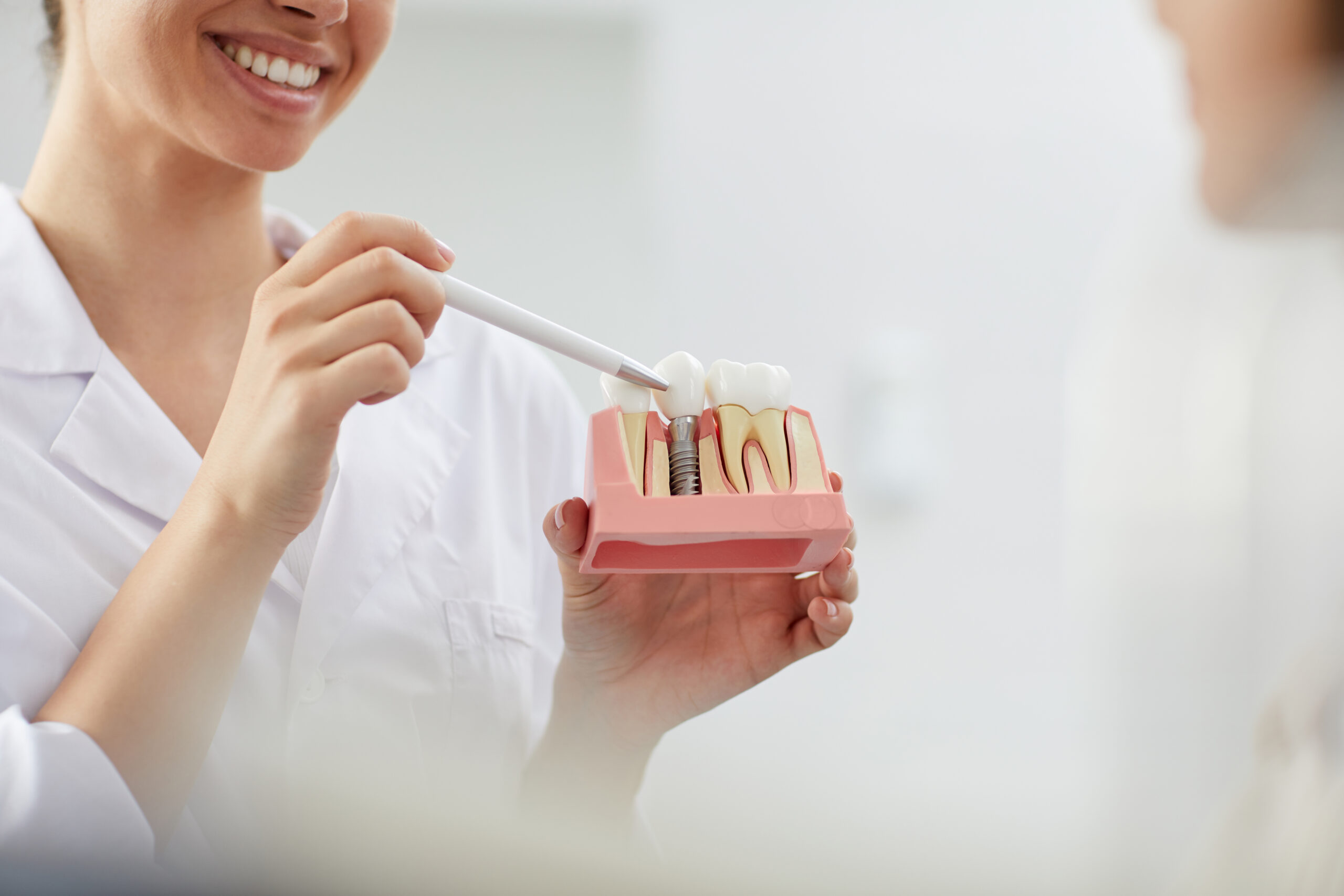
Implants procedure.
Dental implant surgery is a highly effective procedure that involves the replacement of tooth roots with metal posts. These posts act as anchors for artificial teeth, which are designed to closely resemble and function like natural teeth. This surgical procedure is an excellent solution for individuals who have damaged or missing teeth.
If you are considering dental implant surgery, consulting with a qualified dental professional is essential. They will assess your specific dental needs and guide you through the process, explaining the benefits and potential risks associated with the procedure. With proper care and maintenance, dental implants can provide a durable and natural-looking tooth replacement solution for years to come, if done rightly even for your life time.
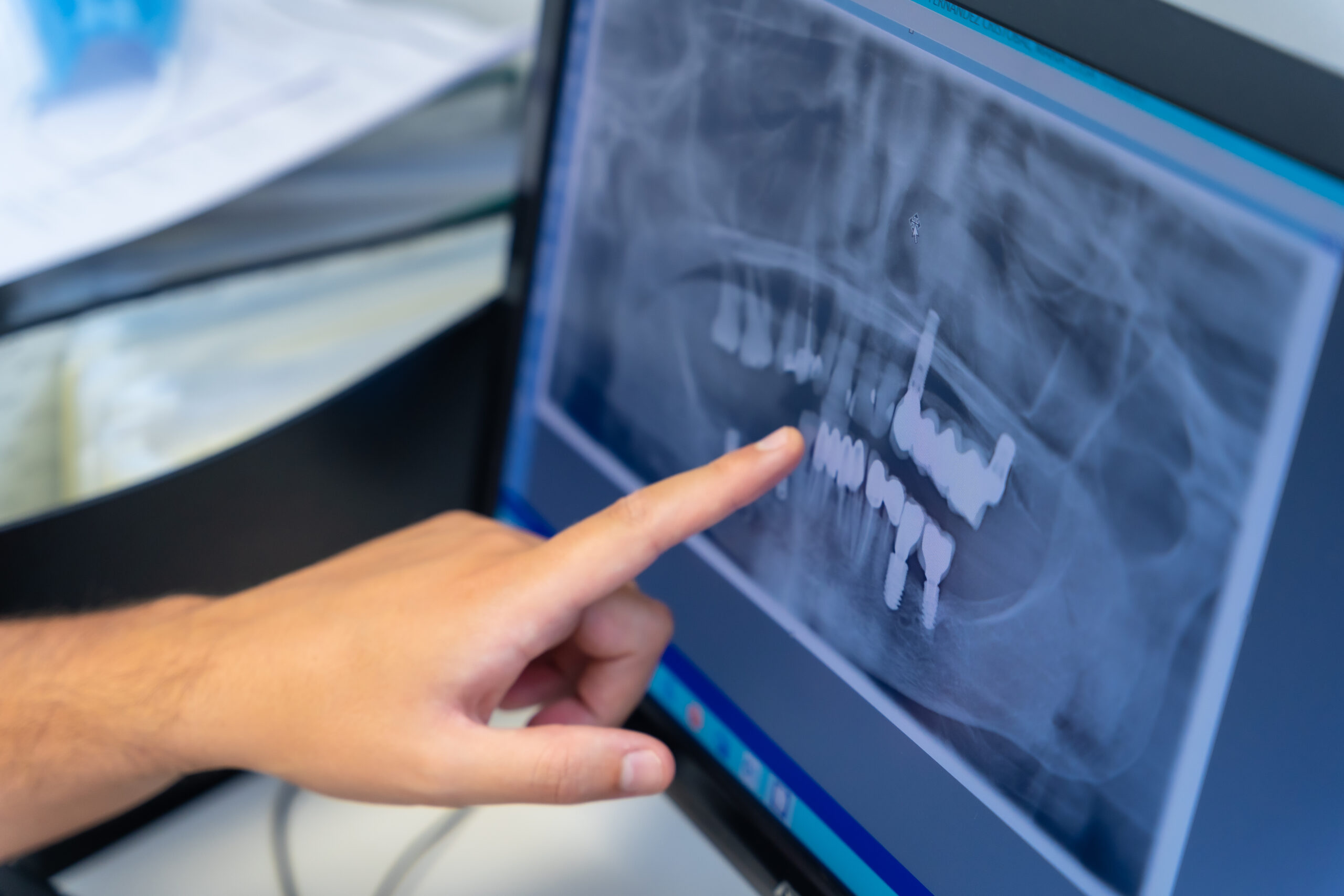
Virtual Consult.
In virtual dentistry, we offer the convenience of virtual consultations to address your dental concerns. Through phone calls, text messages, or video calls, our dental professionals can provide a virtual consultation and diagnosis. This allows us to assess your dental issues and determine if an in-person visit is necessary.

In-person visit.
During your in-person visit for a dental consultation, we will conduct a comprehensive examination of your entire mouth. Our aim is to gather a complete understanding of your dental history, experiences, and concerns. This examination allows us to obtain an accurate picture of your oral health.

Consultation.
A consultation is a crucial step in evaluating the current condition of your teeth and overall oral health. We understand that if you haven’t visited a dentist in a while, you might have concerns or feel self-conscious about the state of your teeth. However, it’s important to know that a reputable dentist will never pass judgment or make you feel ashamed about your dental health.

Family promotions.
We are delighted to extend a warm welcome to new patients who do not have insurance. We understand the importance of finding the right dentist for you and your family, and we are here to help you make a well-informed decision. Our commitment is to provide exceptional and comprehensive dental care that promotes overall health and well-being. To ensure that our services are accessible to everyone, we offer a variety of coupons and dental promotions. These promotions are designed to help you save during your next dental appointment, making our fair and honest pricing even more affordable. We encourage you to explore our current promotions and take advantage of the savings offered. Our team is dedicated to providing you and your family with personalized, compassionate, and high-quality dental care that promotes optimal oral health.
About implants services.
The two-stage dental implant procedure involves two surgeries, offering a higher success rate compared to other approaches. During the first stage, the dental implant is placed into the jawbone, and a healing period of 2-3 months is allowed for osseointegration, which is the process of the implant fusing with the surrounding bone. During this time, no pressure or biting forces are applied to the implant, resulting in a high success rate of around 98% for the two-stage procedure.
After the osseointegration period, the second stage of surgery takes place. In this stage, the dental implant is uncovered, and an abutment is connected to the implant fixture. This abutment serves as a connector between the implant and the final restoration, such as a crown or bridge.
Compared to the first stage, the second stage of dental implant surgery generally involves minimal discomfort and pain. Swelling and discomfort are typically more noticeable in the initial healing phase after the implant placement. However, each individual’s experience may vary, and your dental implant team will provide you with appropriate post-operative care instructions to manage any potential discomfort.
The two-stage procedure allows for a more controlled and predictable healing process, ensuring optimal integration of the dental implant with the jawbone. This approach provides a solid foundation for long-term success and durability of the implant restoration.
It’s important to note that every patient’s case is unique, and the specific details and timeline of the two-stage procedure may vary based on individual factors and the recommendations of your dental implant specialist. They will evaluate your oral health condition, discuss the treatment plan, and address any concerns you may have to ensure the best possible outcome.
IMMEDIATE EXTRACTION AND IMPLANT PLACEMENT PROCESS:
1. Extraction
2. Bone grafting
3. Guided bone regeneration
4. Consolidation OR Osseointegration (12 weeks)
5. Impression OR Oral scan
6. Abutment supported ceramic crown
Two-piece implants
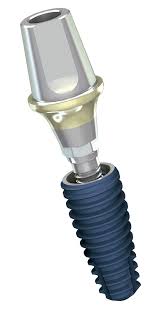
Two-piece implants, also known as conventional dental implants, are a widely recognized type of dental implant. They consist of two separate components: the root component (implant) and the tooth component (abutment).
Surgically placed into the jawbone
The root component is surgically placed into the jawbone, while the abutment is attached to it. The abutment is then prepared or customized to support the final crown, which completes the restoration. Conventional dental implants have proven to be highly effective and provide a long-term solution for replacing missing teeth. They are considered the primary type of implant used in dental implant procedures.
Root form plateau design
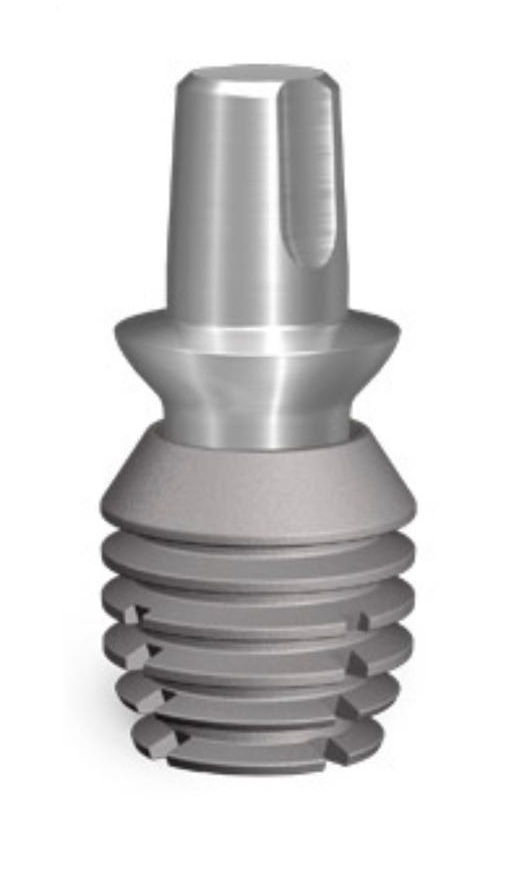
The root form plateau design of dental implants is based on sound bioengineering principles and offers unique advantages. This design enables the use of shorter implants while maintaining excellent stability. The implant-to-abutment connection features a bacterially-sealed, locking taper, providing a secure and stable connection. This connection allows for 360° universal abutment positioning, offering unmatched restorative flexibility compared to other dental implant systems.
Aesthetically pleasing restorations
The sloping shoulder design of the plateau-type implant consistently facilitates aesthetically pleasing restorations. The presence of bone maintained over the implant shoulder provides support for the interdental papillae, contributing to the overall gingival aesthetics. With this system, dentists can consistently deliver functional and aesthetically pleasing restorations, allowing patients to enjoy implant prostheses that closely resemble and feel like natural teeth.
One additional benefit is the avoidance of odors and tastes often associated with screw-retained crowns, enhancing the overall experience for patients. The root form plateau-type Dental Implant System offers a comprehensive solution for dental restoration, combining functionality, aesthetics, and patient satisfaction.
Root form screw type
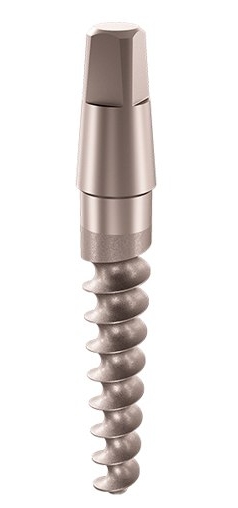
The root form screw type, also known as a single-piece or monobloc implant, offers a simplified and convenient approach to dental implant treatment. With this design, the implant and abutment are integrated into a single unit, eliminating the need for a separate abutment attachment.
The single-piece implant allows for a single-stage restoration protocol, streamlining the treatment process and saving time for both the dentist and the patient. It also reduces trauma to the soft tissues compared to traditional two-stage protocols.
Very high success rate.
Due to its uniform structure, the single-piece implant has a high success rate, particularly when immediate loading is employed. Immediate loading refers to the placement of a temporary or final prosthesis on the implant shortly after surgery. This feature makes it suitable for cases where immediate restoration is desired.
The one-piece implant is constructed from a titanium alloy, providing maximum strength while maintaining a slim shape and small diameter. This feature allows for the treatment of narrow spaces that may not be accommodated by larger implant designs.
Overall, the root form screw type or single-piece implant offers simplicity, convenience, and esthetic benefits to patients, making it a valuable option for certain clinical situations.
Frequently asked questions.
We understand that you may have questions regarding our dental services, procedures, and policies. To provide you with quick and convenient access to information, we have compiled a list of frequently asked questions (FAQs) based on the inquiries we receive regularly. These FAQs cover a wide range of topics related to dental care, insurance, appointments, and more. By referring to our FAQ section, you can find answers to common queries, saving you time and effort. Our aim is to ensure that you have the necessary information to make informed decisions about your dental health.
What services do you offer?
Our main emphasis is on providing good-quality dental implants, we also provide all other dental treatment services including scaling, tooth whitening, fillings, root canal treatment, extractions, orthodontics etc. Call +971 52 103 7310 for more information.
What dental implants can do for me?
Dental implants can give you a whole new life and the confidence you have been missing since you lost your teeth.
Dental Implants can be used to replace a single missing tooth, stabilize a loose lower denture or replace all of your missing teeth with a fixed implant-supported bridge.
The possibilities are numerous. Learn more about how you may benefit from having dental implants from us.
Implants is an alternative to my missing teeth?
Dental implants have advantages over other common tooth replacement options like removable dentures or fixed partial bridges. Dental implants actually are a better long-term prosthetic solution than other common conventional teeth replacement options. Dental implant technology currently has become the state-of- the-art tooth replacement solution because of its assured benefits over other restorative options, if applied appropriately; and most patients can benefit from them.
Dental implants are the best treatment options as far as available treatment options go and they avoid cutting adjacent teeth as is needed in other treatment options such as dental bridges. Adjacent teeth are healthy and maintained as they are not overloaded as in dental bridges.
Functionally satisfying as bite force generated by implant prosthesis is equal to natural teeth, aesthetically pleasing asthe effect of a tooth emerging out of gum is achieved and dental implants are biocompatible and almost life-long* One of the biggest advantages of a dental implant is that it restores full chewing power and function. In most cases, the patients can’t tell the difference between their natural teeth and the implant-supported teeth.”
What are the advantages of dental implants?
• Improved appearance: Dental implants looks and feel like their own teeth. And because they are designed to fuse with bone, they become permanent.
• Improved speech: With poor-fitting dentures, the teeth can slip within the mouth causing one to mumble or slur words. Dental implants allow speaking without the worry that teeth might slip.
• Improved comfort: Because implants become part of one’s mouth, they eliminate the discomfort of removable dentures.
• Easier eating: Compared to natural teeth, loose dentures can make chewing difficult. Dental implants function like own teeth, allowing one to eat with confidence and without pain.
• Improved oral health: Dental Implants don’t require reducing other adjacent teeth, as in a tooth-supported bridge. Because nearby teeth are not altered to support the implant and your own natural teeth are left intact, improving long-term oral health. Individual implants also allow for improved oral hygiene maintenance.
Studies have shown a success rate of over 98% for the implant restoration process if done properly. Furthermore, they’re the only tooth replacement option that actually helps stimulate bone growth and prevent bone loss. Getting dental implants as soon as possible after losing a tooth helps prevent bone loss at the site. Tooth for all guarantees an implant-supported tooth for a lifetime.*
Will insurance cover dental implants?
Typically, dental insurance doesn’t cover implants. but, more companies are realizing the need for these procedures, so there are some dental insurance plans that cover implants. you may want to call your insurance provider and see if you have coverage for your implants.
How long do implants last?
Dental implants that we provide will last a lifetime if you take care of them properly by regularly brushing, flossing, and following the dentist’s recommendations, they will provide you with suggestions and guidelines on how to take good care of your dental implant. They’ll base these guidelines on:
• Your genetic history.
• Proper hygiene procedures.
• Your nutritional habits.
• Following your dentist’s guide.
How much does dental implant cost?
The implant cost ranges from 3999-9000 aed depending on the clinical situation, it is important to have a clinical examination to assess and diagnose precisely and to make the right treatment plan. we can either arrange an in-person consultation or a complimentary virtual online consultation for the same. Call or chat with us.
What are the types of implants used?
Based on the design aspect there are root-form screw types, root-form plateau, and two-piece implants. there are different brands of dental implants providing above mentioned designs based on clinical scenarios and patient preferences our team will guide you to choose the best dental implant to suit your needs. Book a virtual consultation.
Does dental implant procedure hurt?
Our team of dentists is well-trained to safely provide adequate local anesthesia, making your operative procedure both brief and pleasant.
How long does it take for dental implants to Heal?
The average implant process occurs in multiple steps. You may require more than one healing stage. So, there’s a varied healing period, depending on your health, how many teeth you need replacing, and other factors. However, the healing process generally takes anywhere from six to 12 weeks.
Who is responsible for dental implant failure?
When it comes to dental implant failure, the responsibility usually lies with the dental implant manufacturer. The quality of a dental implant is essential to the success of the procedure. Poor-quality implants can cause a number of issues, including implant rejection, structural failure, and even infection.
What is the most common cause of dental implant failure?
The most frequent and avoidable cause of dental implant failure is infection. At any moment over the course of implant therapy, a bacterial infection that results in implant failures can happen. Peri-implantitis is a term used to describe an inflammatory response with bone loss in the soft tissues surrounding implants.
Can a dentist mess up an implant?
Improper implant placement: Your dentist could make an error in placing your implant. If there is a problem with the location or angle of the implant, it can lead to complications. The implant may not fuse with the bone properly, may be too close to adjacent teeth and cause discomfort, or may become loose or painful. In recent years TFA has developed a peculiar organizational model based on the specificity of skills: today we talk about team working to respond to the increasingly varied needs of patients and to offer an exclusive and personalized service especially regarding dental implants. TFA team is periodically supported by specialized external professionals who contribute to forming a multidisciplinary group capable of dealing with any oral cavity problem.
Can a failed implant be replaced?
An implant that failed due to a lack of bone can be replaced right away in conjunction with a bone grafting procedure that will help support the replacement dental implant and thus increase the chances of the implant bonding.
What are the complications of dental implants? If not done by experienced well trained Implantologist?
Dental implant surgery – Risks Infection at the implant site. Injury or damage to surrounding structures, such as other teeth or blood vessels. Nerve damage, which can cause pain, numbness or tingling in your natural teeth, gums, lips or chin. Sinus problems, when dental implants placed in the upper jaw protrude into one of your sinus cavities.
How long should a dental implant be guaranteed for?
This depends on the type and design of implant used. we conditionally guarantee our Plateau type dental implants and its components for a lifetime. The conditions are to be on regular follow up and to have regular maintenance visits as advised . The other type implants may have issues like crown loosening, screw loosening, screw fracture, food impaction, halitosis, bone loss over long term, subsequent fracture of implant and or even implant failure.
Two-piece implants
A conventional dental implant is usually known as a “Two Piece” implant, consisting of the root component and the tooth component in separate bits. The root component (implant) is placed into the jaw bone and to it is connected the tooth component (abutment). The abutment is then prepared or customized to take the final crown. Conventional dental implants are the main type of implants and are an extremely effective long- term solution for missing teeth.
Root form Plateau
Plateau design follows sound bioengineering principles which allow for the use of short implants. It’s unique bacterially-sealed, locking taper, the implant-to-abutment connection provides 360° of universal abutment positioning — offering restorative flexibility unmatched by other dental implant systems. The sloping shoulder consistently provides for gingivally aesthetic restorations, which are easily achieved because the bone that is maintained over the shoulder of the implant provides support for the interdental papillae. The plateau-type Dental Implant System allows the dentist to consistently offer functional and gingivally aesthetic restorations to patients, so that they may truly enjoy implant prostheses that look and feel like natural teeth. Additionally, the odours and tastes associated with screw-retained crowns are avoided.
Root Form Screw Type: *Single Piece (Monobloc Implant)
One-piece implant brings simplicity and convenience and allows a single-stage restoration protocol while saving time, reducing trauma, and delivering the esthetics your patients desire. These implants can be placed using a single-stage protocol, while soft tissue experiences much less trauma than typical two-stage protocols. Due to the uniform structure, it also has a very high success rate when immediately loaded. This state-of-art implant special feature is a one-piece, titanium alloy construction, which provides maximum strength while keeping a slim shape and small diameter. Allows treatment of narrow spaces that cannot be otherwise handled with larger.
Clinical scenario.
The intra-oral findings and clinical scenarios can indeed vary from person to person, and these factors play a crucial role in determining the treatment plan and final cost. Here are some additional procedures that might be required based on the individual clinical scenario:
Extraction: If a tooth is severely damaged or needs to be removed to make space for dental implants, an extraction procedure may be necessary. The cost of extraction will be considered in the overall treatment plan.
Bone Grafting: In cases where there is insufficient bone volume to support dental implants, bone grafting procedures may be required. This involves adding bone material to the deficient area to promote new bone growth. The cost of bone grafting will be factored into the treatment plan.
GBR (Guided Bone Regeneration) with Membrane: GBR is a technique used to regenerate bone in specific areas. It involves placing a membrane over the grafted bone to protect and support its growth. The cost of GBR with a membrane will be included in the treatment plan if deemed necessary.
Opening up of Bite using Temporary Prosthesis: In some cases, adjusting the bite height using a temporary prosthesis may be necessary to achieve proper alignment and function. This procedure can impact the final cost of treatment.
It’s important to note that the final cost of the treatment will depend on the specific requirements of each individual case. The dentist will thoroughly evaluate the intra-oral findings and customize the treatment plan accordingly, taking into consideration any additional procedures needed to achieve optimal results.
Based on the type of implant used.
The type of dental implant used can indeed impact the overall cost of the treatment. Here are some considerations related to the type of implant and its impact on pricing:
Root-form Screw Types: Root-form screw types include both one-piece and two-piece designs. These implants are commonly used in dental implant procedures. The pricing may vary depending on the specific brand of the implant chosen. Different brands offer varying features, materials, and levels of quality, which can affect the cost.
Root-form Plateau: Root-form plateau implants are a two-piece implant system that does not involve a screw. These implants have their own unique design and features. Like the screw-type implants, the pricing for root-form plateau implants will vary based on the brand chosen. It is important to note that the selection of the appropriate dental implant design is based on clinical scenarios and patient preferences. Factors such as bone quality, tooth-to-tooth relationship, and gum health will be taken into consideration when determining the most suitable implant for each patient’s needs.
Furthermore, pricing can also be influenced by the specific procedures involved in the placement of the implant. For example, conventional loading, where the implant is placed and allowed to heal before attaching the final restoration, may have a different pricing structure compared to immediate loading, where the restoration is placed on the implant shortly after surgery. During the treatment planning process, our team will guide you in choosing the best dental implant option to suit your specific needs. They will take into account clinical considerations, patient preferences, and the pricing associated with different implant brands and procedures.
Additional procedures.
In addition to dental implant placement, there are several additional procedures that may be necessary to support the successful integration of dental implants. These procedures include:
Bone Grafting: When there is insufficient bone volume in the jaw to support dental implants, bone grafting techniques may be employed. These procedures involve adding bone material to the deficient area to stimulate new bone growth. The source of the bone used can vary depending on the extent of regeneration required and the specific location.
Socket Preservation: Socket preservation techniques are used when a tooth is extracted, and there is a need to maintain the bone volume at that site for future implant placement. A special membrane is placed over the extraction socket to create a barrier that prevents soft tissue from filling the socket. This allows the underlying bone to regenerate and preserve the space for a future dental implant.
Sinus Augmentation (Sinus Lift): In cases where the upper back teeth (molars and sometimes premolars) have insufficient bone height, a sinus augmentation or sinus lift procedure may be performed. This involves adding bone material to the sinus spaces above the upper jaw to create a suitable foundation for dental implant placement. Synthetic bone substitutes or bone grafts from other areas of the mouth or body are used to fill the empty spaces. Over time, new bone growth occurs, providing a stable base for dental implant placement.
It’s important to note that these additional procedures may not be required for every dental implant case. The need for bone grafting, socket preservation, or sinus augmentation depends on the individual’s oral health and the specific clinical situation. Your dentist or oral surgeon will evaluate your condition and determine if any of these procedures are necessary to support the successful placement and long-term stability of dental implants.
Necessity if immediate provisional.
In order for your dental implant to fully heal and integrate with your jawbone, it is crucial to follow a proper treatment timeline. During the healing period, which can take several months, it is important to avoid having an empty space in your smile. This is where a provisional crown or bridge comes into play.
A provisional crown serves as a temporary aesthetic and functional replacement while your dental implant heals. It is designed to provide you with a natural-looking tooth and allow you to maintain your smile during the healing process. In some cases, with the use of digital planning and the placement of screw implants that have good primary stability, it is possible to receive a provisional dental crown or bridge on the same day as the implant placement. This approach is often referred to as “same-day teeth” or “immediate loading.” It is crucial to understand that the provisional restoration is not the final restoration for your dental implant. It serves as a temporary solution until the implant fully integrates with the jawbone. It is essential to follow the recommended schedule for replacing the provisional crown or bridge with the final restoration.
Failing to replace the provisional restoration according to the schedule provided by your implant dentist can lead to complications. The healing process requires time for the implant to bond with the jawbone, and the final restoration is custom-designed to provide optimal function and aesthetics. Neglecting to replace the provisional restoration as instructed can affect the overall success and longevity of your dental implant.
It is important to communicate with your implant dentist and adhere to their guidance throughout the treatment process. By following the recommended schedule for provisional and final restorations, you can ensure the best possible outcome for your dental implant and maintain the health and appearance of your smile.
Single-Stage / Two-Stage implants.
In dental implant procedures, there are two main approaches: one-stage and two-stage procedures. The choice of procedure depends on various factors, including bone quality, aesthetic requirements, and overall oral health considerations.
In a one-stage procedure, a healing abutment is placed at the time of surgery. The abutment serves as a connector that attaches the implant from the bone to the mouth, protruding through the gum tissues. This approach is typically used when the bone quality is good, ensuring good initial stability of the implant. After a healing period of 3 to 6 months, during which the implant fuses with the bone (osseointegration), a crown is placed on the implant, restoring the appearance of a healthy and natural tooth. This approach provides an immediate cosmetic solution.
On the other hand, a two-stage procedure involves placing the implant into the jawbone and covering it with gum tissues. The implant remains buried and is left to heal. After the healing period, a second surgery is performed to expose the implant and attach an abutment, which secures the crown in place. This approach is typically chosen when there is poorer bone quality or quantity, and additional bone regeneration may be necessary during the implant placement. It may also be indicated for cases where a more conservative and cautious approach is required. The two-stage procedure usually requires additional surgical appointments and a longer treatment timeline.
The choice between the one-stage and two-stage procedures depends on the individual’s specific needs and circumstances. Factors such as bone quality, aesthetic requirements, and overall health considerations are taken into account by the dental implant team. Both approaches have their advantages and considerations, and the decision is made in consultation with the patient to ensure the best possible outcome.
It is important to note that the choice of procedure may affect the overall cost of the treatment, as the two-stage procedure involves additional surgical appointments and potentially bone regeneration procedures. Your dental implant team will discuss the options, associated costs, and recommended approach based on your unique situation.
What is root canal treatment?
The term root canal describes the process of cleaning the canals that comprise the tooth’s root. A root canal treatment is a procedure that enables the patient to keep a tooth that otherwise would have to be taken out. This kind of treatment is necessary when the pulp tissue (nerve) inside the tooth has become diseased and irreversibly damaged. During a root canal the dentist makes an opening in the top and cleans the necrotic (dead) or diseased tissue and bacteria inside the root of the tooth. The space left after cleaning is filled with an inert filling material in order to prevent future leakage of bacteria into the void from saliva. After the cleaning and filling of the tooth has been finished, the dentist will put in a new filling or crown the tooth.
What are dental crown?
Damaged, broken or worn down teeth are covered by a crown, as a way to strengthen the teeth and improve the cosmetic appearance. Your dentist will make molds of your teeth which are then sent to a dental laboratory where the crown/s are made.
Dental crowns are made from a wide range of materials, including ceramics, porcelain, gold, or a combination of metals that have been fused to a porcelain shell.
The all-ceramic or all-porcelain crowns have a natural look and are indistinguishable from natural teeth.
When is it right for my child’s first dentist visit?
Each child is different so dentists advise that the first appointment be six months after your child’s first baby teeth have come up. This is usually when they are around three years old. In this first visit the dentist is checking to see that their development (mouth, gums and teeth) is normal and detect any potential problems that can be managed before serious conditions occur.
Is it ok if my gums bleed?
While bleeding gums are common, it is not OK. When you have healthy gums they will not bleed, so bleeding gums mean that you have an infection or inflammation of some type. There are several different possibilities for why your gums may be bleeding:
You have traumatized the area with excessive or harsh treatment, You have an
inflammation caused by bacteria, Certain serious medical conditions or medications you take as part of treatment will cause your gums to bleed.
It is difficult to detect which of these things is most likely the cause of your bleeding gums. Even if you are taking medications, it’s still possible for the cause of your bleeding gums to be something else. So getting a diagnosis from your dentist is the best way to confirm that you are making the right changes to stop the bleeding.
Will I be too old to get orthodontic treatment done?
For getting your teeth straightened with orthodontics, or newer teeth straightening systems like Invisalign, age is not the main factor. What is most important is how healthy your teeth, gums and the supporting bone is in your mouth.
In some cases, even where a person has had some bone loss in the teeth they have still been able to have successful orthodontic treatment to straighten their smile. In these sensitive cases treatment is likely to be slower and carefully monitored to ensure that gum tissues remain healthy and damage to underlying bone is minimized.
Can I Have Teeth Whitening When I Have Sensitive Teeth?
After using a whitening treatment, there are options to reduce the increased
teeth sensitivity the treatment causes, especially whitening methods that have
bleach as a part of their formulation.
Use a toothpaste designed for sensitive teeth, before and after using tooth
whitening agents. These types of toothpaste have ingredients such as potassium nitrate, which is very effective for reducing sensitivity in teeth and gums
irrespective of what has caused the teeth’ sensitivity.
Monitor how often you’re using your “at home” treatments (such as a whitening
pen, strip, or mouth tray) to see if you’re doing it too regularly for your teeth.
Getting your sensitive teeth whitened at the dentist’s surgery is usually more
comfortable for people with sensitive teeth, as your dentist will ask you about
the condition of your teeth before teeth whitening treatments begin so they
can monitor and adjust the treatment accordingly.
Having sensitive teeth doesn’t mean you can’t get your teeth whitened. It just
means you have to be aware that you are likely to have a pain reaction if you
have sensitive teeth and to ensure you manage the process appropriately.
What about Teeth whitening system?
Teeth Whitening Systems are specially formulated step-by-step processes
for whitening your teeth that can be done in the comfort of your home or done professionally by your dentist in their clinic.
Each System has its own unique combination of things to do and apply to your teeth to get whiter teeth. They can also be special-purpose and only be suitable for patients with certain types of teeth or particular dental health conditions.
There are a number of recognized brands in Teeth Whitening Systems and your dentist may be able to advise you on the risks and benefits of each one for your situation.
FAQ Veneers.
What are dental veneers?
Veneers are thin durable shells made of tooth-colored materials bonded to a tooth’s surface to enhance its appearance. Veneers are thin, tooth-coloured porcelain or glass/plastic layers fixed onto the front of your teeth that can be a suitable option if you have teeth with ga0ps, that are stained, discoloured, broken or chipped, crowded-in or crooked, oddly-shaped or badly-aligned.
What are the types of veneers?
There are two types of veneers; Porcelain Veneers and Composite Resin Veneers.
Porcelain veneers are made and bonded to your teeth. Resin veneers are put directly on your teeth. Both are designed to cover the front side of your teeth. Both are intended to fit your mouth and your smile to look natural. Caring for veneers is the same as cleaning natural teeth.
Should I choose composite bonding or porcelain veneers?
Cosmetic bonding is an appropriate choice if the needed changes are minor and the teeth function properly. If teeth are spaced, broken, or dark, and/or the patient clenches or grinds their teeth, then porcelain veneers may be the preferred option.
Why do I need dental veneers?
What is involved in getting a dental veneer?
Getting a porcelain veneer is usually a multi-step process. The first step is to get a consultation. At this visit, you can outline your goals and concerns, and the dentist will explain how veneers will work for you. X-rays or impressions of your teeth may be needed. The second step is to prepare the tooth for the veneer. A small amount of tooth structure is removed and an impression is made. The dentist will then place temporary veneers. At the next appointment, the temporaries are removed, and the final veneer is bonded to your tooth. In the case of veneers made from tooth-colored filling material, or composite
bonding, this is a one-appointment process in which the prosthodontist will
remove a small amount of tooth structure and bond filling material to your teeth. This type of veneer is not as long-lasting and doesn’t resist staining as well as a porcelain veneer.
What are the advantages of dental veneers?
The preparation of veneers preserves the most amount of tooth structure, as very little needs to be removed. They can improve the appearance of your teeth, and gum tissues respond well to dental veneers. The color can be custom selected, and in the case of porcelain veneers, they are stain resistant.
What are the drawbacks of dental veneers?
How many veneers do I need?
Clinical consultation is needed to determine how many veneers are required or if veneers are the best option. It is a good idea to have an even number of veneers. Two, four, eight, ten, or twelve veneers give the best aesthetic results.
How do I get veneers to match my other teeth?
This concern will be addressed by your dentist. Most people get their veneers in a whiter shade than their natural teeth and then undergo tooth whitening to create a matching aesthetic.
Does the process hurt?
What can I eat and what foods should I avoid?
What habits should I avoid or stop?
What happens if one of my veneers comes off?
Root canal treatment.
What is Root canal treatment?
Root canal treatment (endodontics) is a dental procedure used to treat infection at the center of a tooth. Root canal treatment is not painful and can save a tooth that might otherwise have to be removed completely.
Why it's needed?
The infection at the center of a tooth (the root canal) is caused by bacteria that live in the mouth and invade the tooth. This can happen after:
1) Tooth decay
2) Leaky fillings
3) Damage to teeth as a result of trauma, such as a fall
Tooth structure
A tooth is made up of 2 parts. The crown is the top part of the tooth that’s visible in the mouth. The root extends into the bone of the jaw, anchoring the tooth in position.
Teeth also consist of:
Enamel – the hard-outer coating
Dentine – a softer material that supports the enamel and forms most of the tooth
Cementum – a hard material that coats the root’s surface
Dental pulp – the soft tissue at the center of the tooth
The root canal system contains the dental pulp and extends from the crown of the
tooth to the end of the root. A single tooth can have more than 1 root canal.
When root canal treatment is needed?
1) Pain when eating or drinking hot or cold food and drink
2) Pain when biting or chewing
3) A loose tooth
As the infection progresses, these symptoms often disappear as the pulp dies. Your tooth then appears to have healed, but the infection has in fact spread through the root canal system. You eventually get further symptoms such as:
1) Pain when biting or chewing returning
2) Swelling of the gum near the affected tooth
3) Pus oozing from the affected tooth
4) Swollen cheek or jaw
5) Tooth becoming a darker color
It’s important to see your dentist if you develop toothache. If your tooth is infected, the pulp cannot heal by itself.
How root canal treatment is done?
To treat the infection in the root canal, the bacteria need to be removed. This can be done by either:
1) Removing the bacteria from the root canal system (root canal treatment)
2) Removing the tooth (extraction)
But removing the tooth is not usually recommended as it’s better to keep as many
of your natural teeth as possible. Before having root canal treatment, you’ll usually be given a local anesthetic. This means the procedure should be painless and no more unpleasant than having a filling. After the bacteria have been removed, the root canal is filled and the tooth is sealed with a filling or crown. In most cases, the inflamed tissue near the tooth will heal naturally. Root canal treatment is usually successful. In about 9 out of 10 cases, a tooth can survive for up to 10 years after root canal treatment.
Root Canal Treatment Procedure.
Before having root canal treatment, your dentist may take a series of X-rays of the
affected tooth. This allows them to build up a clear picture of the root canal and assess the extent of any damage. Root canal treatment is usually carried out under local anesthetic, a painkilling medicine that numbs your infected tooth and the gum around it. In some cases where the tooth has died and is no longer sensitive, it may not be necessary to use a local anesthetic.
Removing the pulp
Cleaning and filling the root canal
After the pulp has been removed, your dentist will clean and enlarge the root
canal. The root canal is usually very narrow, which makes it difficult to fill. Your dentist will use a series of small files to enlarge the canals and make them a regular shape so they can be filled. This part of the treatment may take several hours and may need to be carried out over a number of visits. Your front incisor and canine teeth (biting teeth) usually have a single root containing 1 root canal. The premolars and back molar teeth (chewing teeth) have 2 or 3 roots, each containing either 1 or 2 root canals. The more roots a tooth has, the longer the treatment will take to complete. If the treatment needs to be carried out over several sessions, your dentist may put a small amount of medicine in the cleaned canal in between visits to kill any remaining bacteria. The tooth will then be sealed using a temporary filling. If you have symptoms from the infection, such as a raised temperature or large swelling, you may be given antibiotics to help manage and prevent further infection.
Sealing and fixing the tooth.
dentist may suggest placing a crown on the tooth to protect it.
Recovering from root canal treatment.
You should avoid biting on hard foods until your treatment is complete. After your final treatment, your restored tooth should no longer be painful, although it may feel sore for a few days. You can take over-the-counter painkillers, such as paracetamol or ibuprofen, to relieve any discomfort.